
Led the full UX cycle — from research to implementation and validation
Conducted UX research and competitor analysis
Developed the concept and designed the user flow
Simplified the checkout and improved forms and error handling
Handed off solutions to development and supported implementation
Conducted design reviews and validated user scenarios
increase the share of users who complete the purchase
reduce drop-off at key checkout steps
reduce the time required to complete a purchase


Andrew
Age: 22–40
Gamer, plays CS / Dota
Buys mice, keyboards, and accessories. Makes decisions quickly and rationally, focusing on price, availability, and delivery
Pain points:
Why are there so many steps? Where is the final price?

Maria
Age: 20–35
Fan / collector (anime / game culture)
Buys figures and merchandise. Looks for “that one” item and makes decisions emotionally
Pain points:
Afraid of making a mistake during checkout. When will it arrive?

Users expect a fast and linear checkout flow but encounter additional friction
The overall visual style reduces trust in the payment process
Overloaded forms and unclear UI elements increase cognitive load
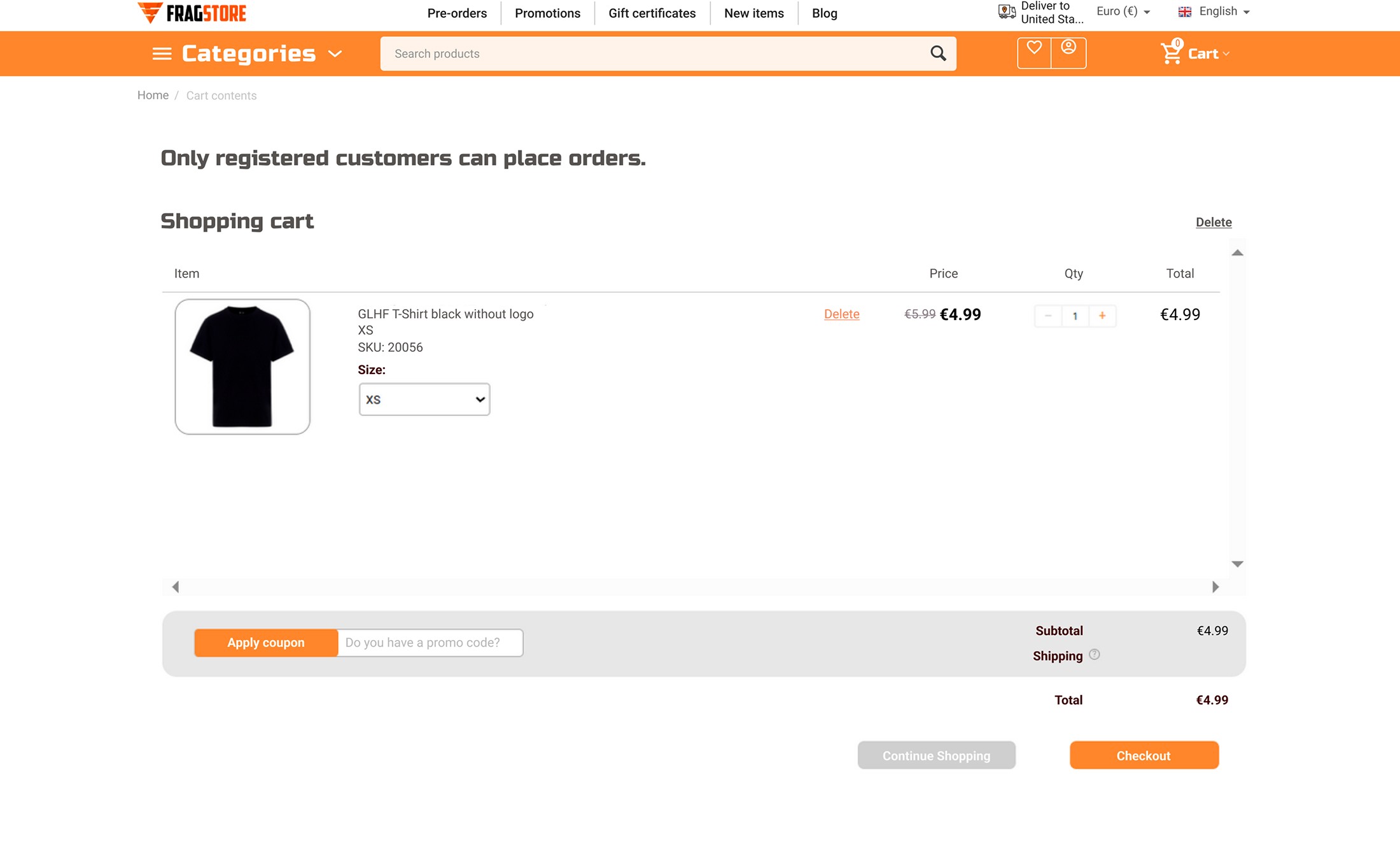


At the first stage, I focused on improving visual design and readability while keeping the existing structure
Despite visual improvements, the core issue in the user flow remained unresolved
Conducted guerrilla testing (5 users) on the prototype. Users were still confused by the flow — visual changes did not reduce cognitive load
The flow needed to be simplified and the next step made more obvious, especially for new users


In the second iteration, I reworked the interaction logic and simplified the flow
Removed address cards that added unnecessary complexity
Displayed the input form immediately instead of an empty state
Combined address input and payment method selection on one page
Made the next step clear through structured layout and a strong CTA
