Led the full UX/UI cycle — from analyzing user behavior to designing and implementing the solution
Conducted analysis of the user flow and identified low interaction with categories
Developed hypotheses and explored visual solutions
Designed a new format for category cards with a focus on content and hierarchy
Handed off designs to development and supported implementation
Participated in solution validation and outcome evaluation
increase the number of transitions to categories by improving their visual visibility
reduce the share of users ignoring navigation to categories
reduce the time to first interaction with the catalog
If the visual priority of the category block is increased, users will interact with it more often and use it as the main entry point to the catalog
If icons are replaced with product images, users will recognize categories faster and click on them more often
If the size and contrast of the cards are increased, the block will become more noticeable and will no longer be ignored while scrolling
If users find a category faster, the time to first interaction with the catalog will decrease
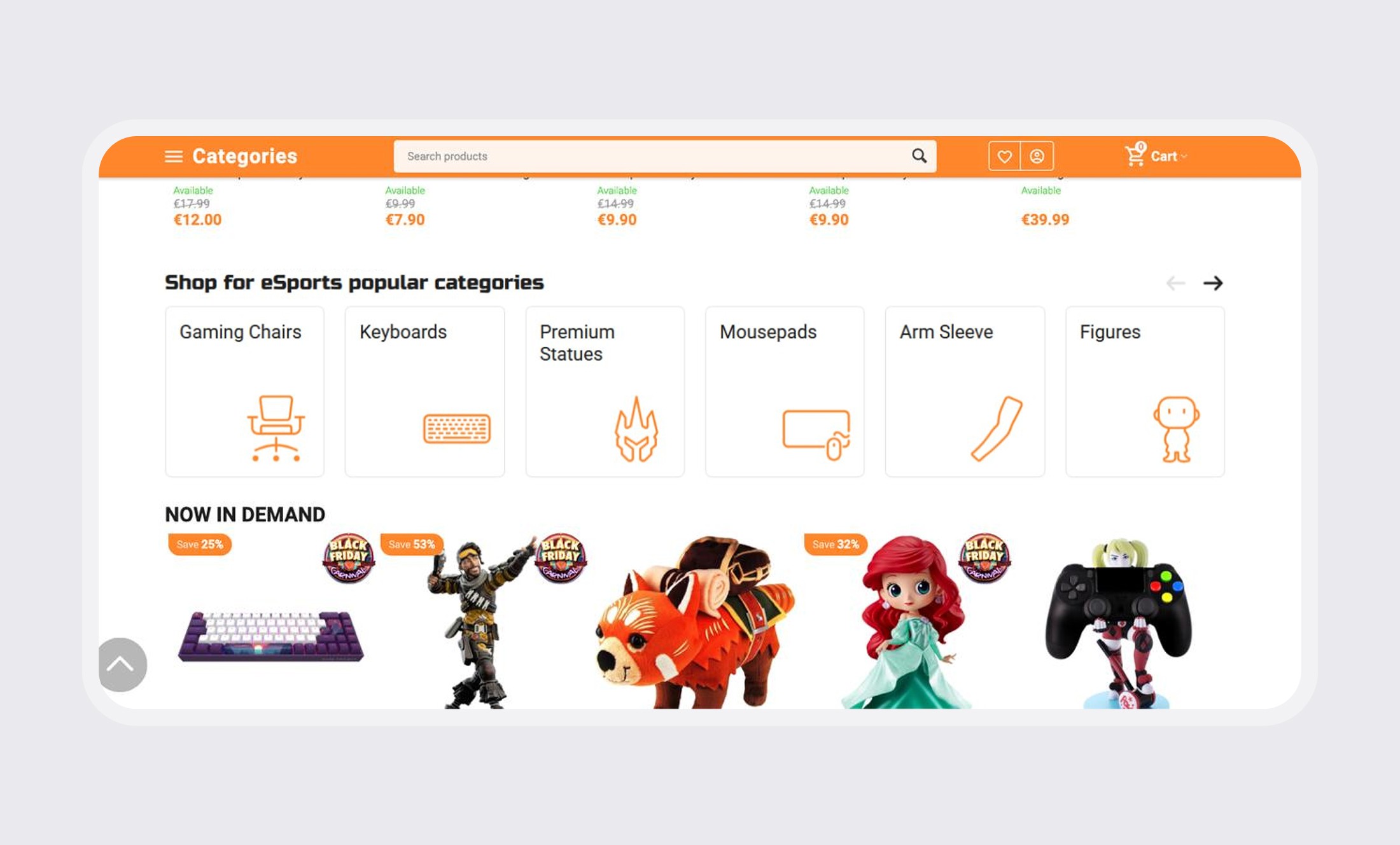
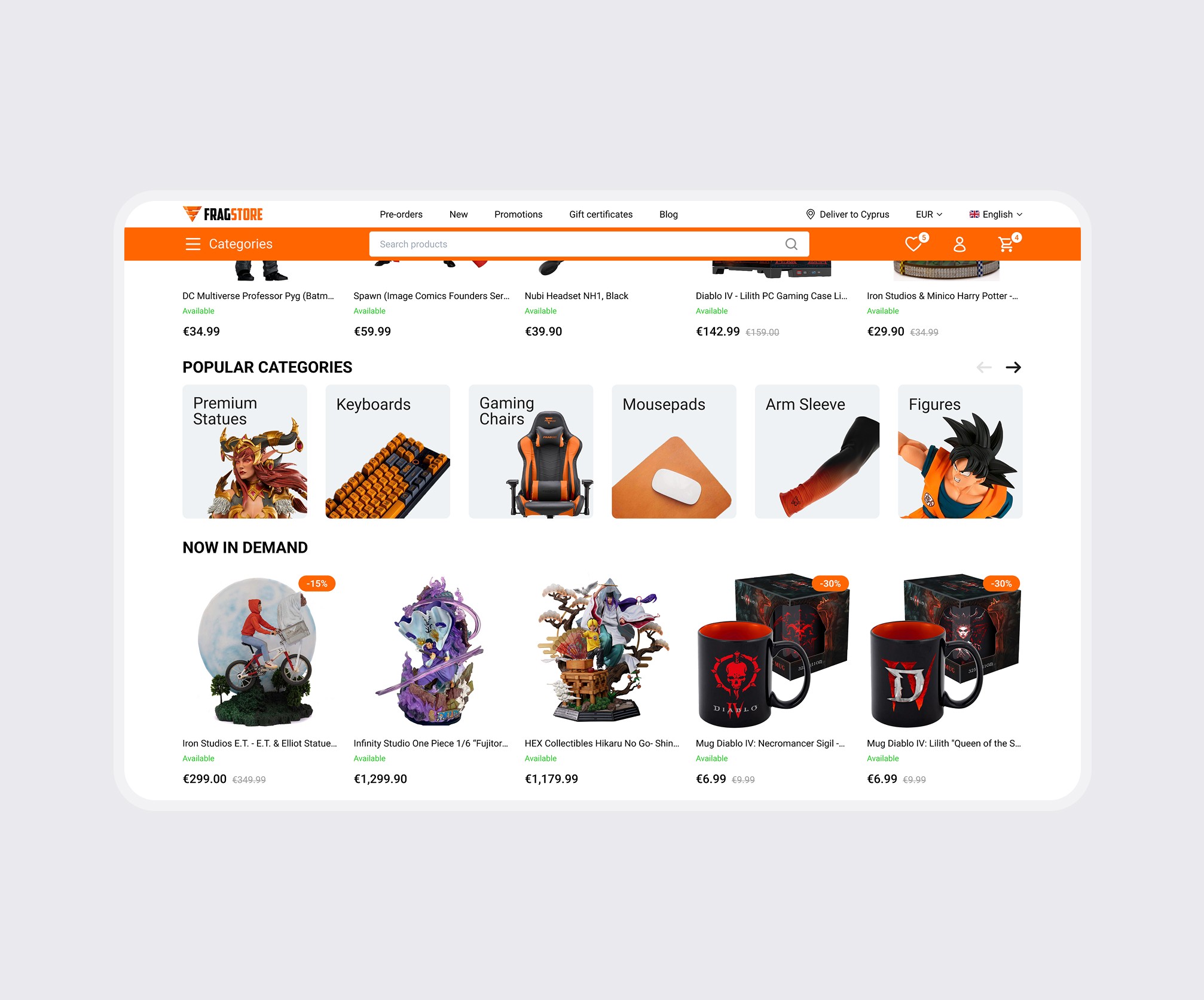
At the first stage, I focused on enhancing the visual prominence of the categories while keeping their existing structure and placement
The category block still didn’t attract enough attention and wasn’t perceived as a navigation element
It was necessary to further increase their visual priority and make them more prominent and clickable
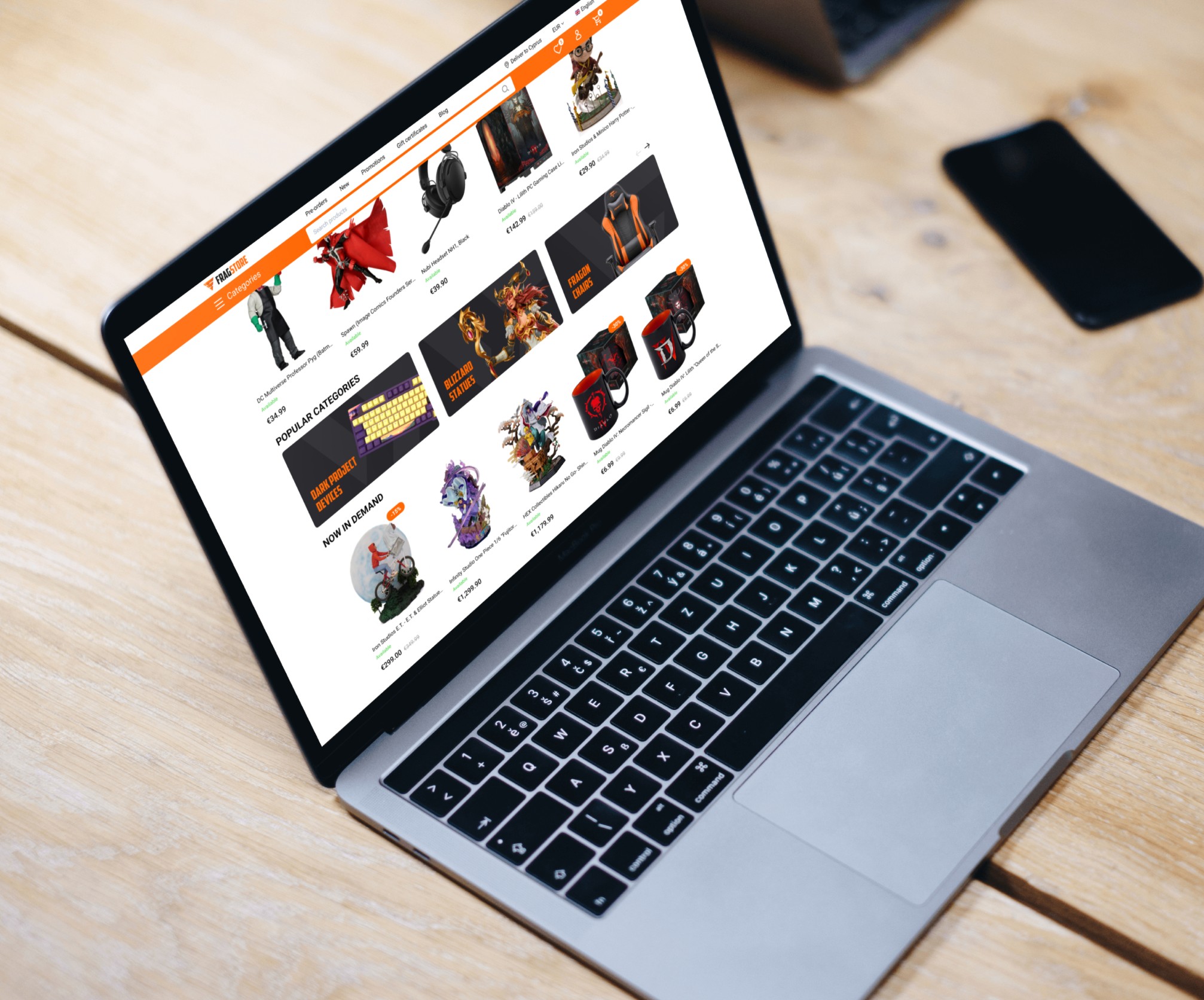
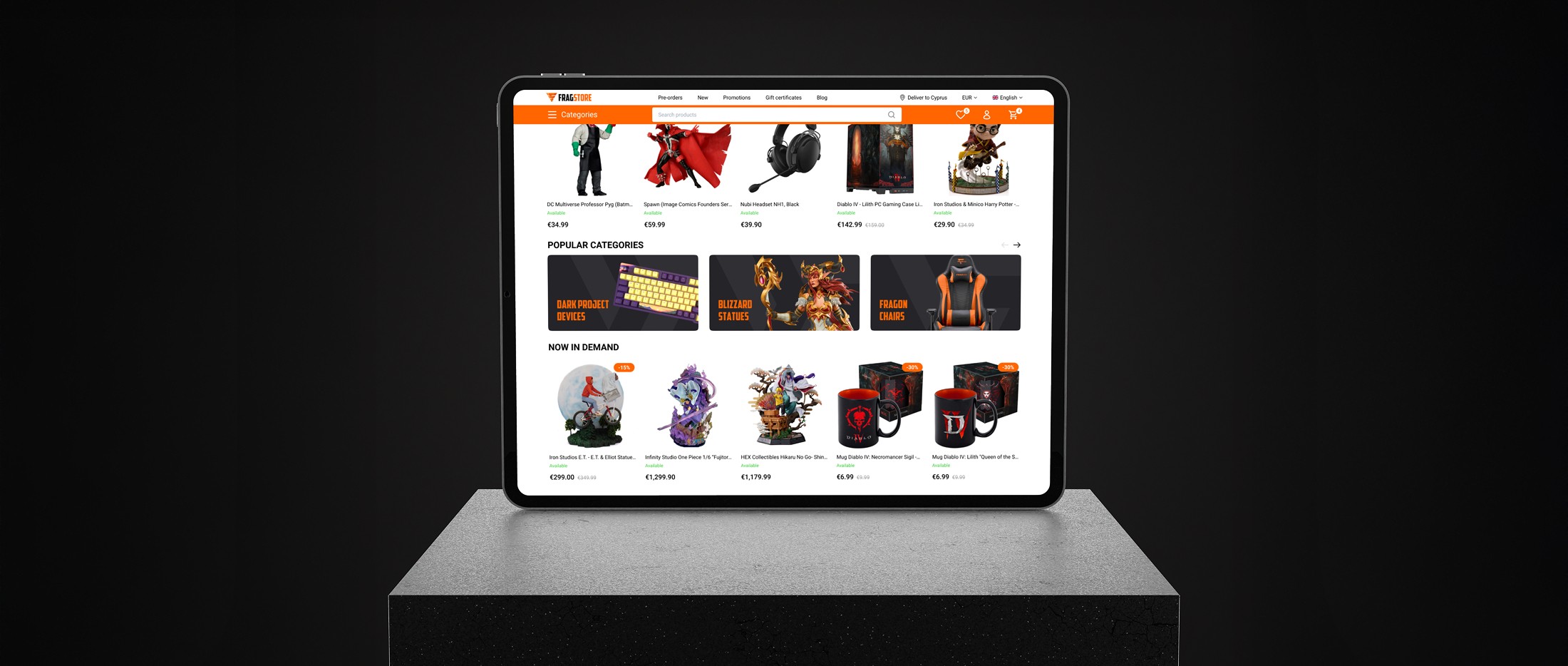
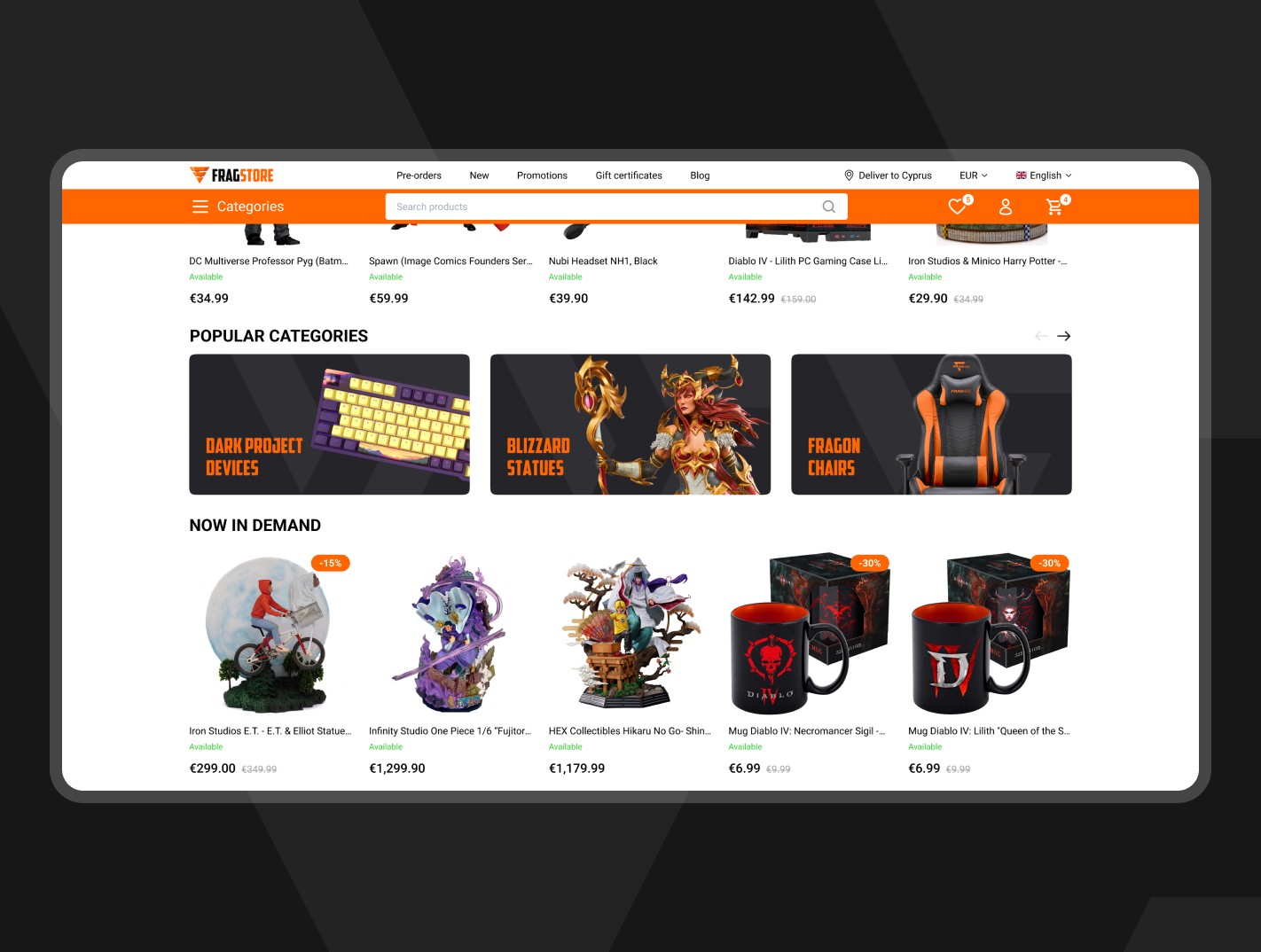
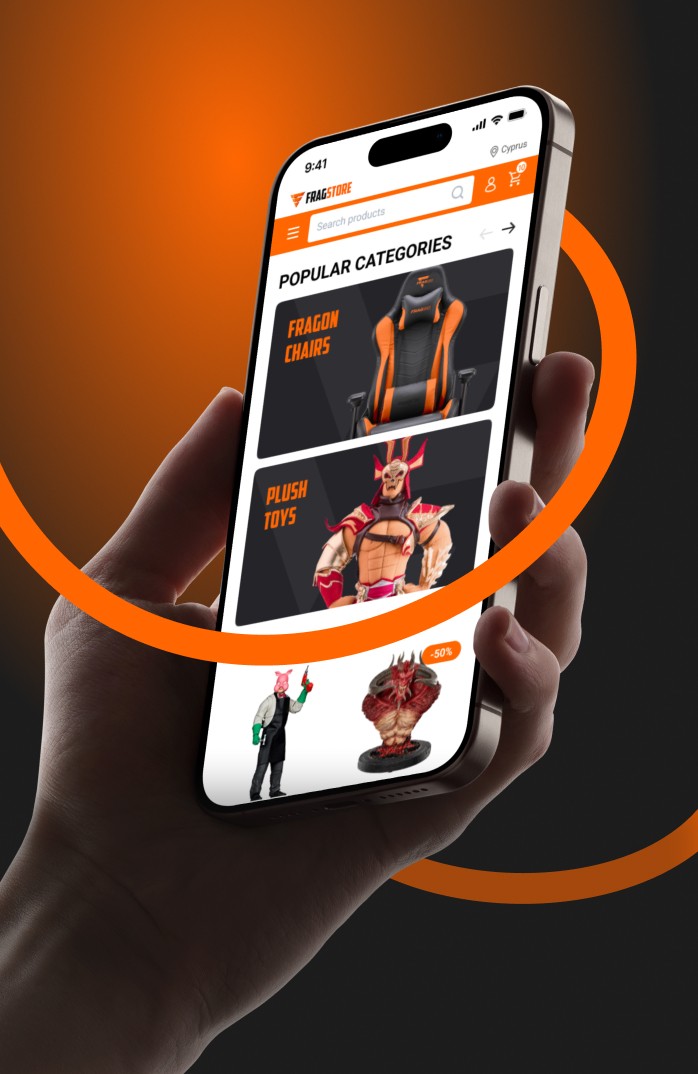
In the second iteration, I rethought the approach to how categories are presented and strengthened their role as a key entry point to the catalog
Replaced compact cards with larger, visually prominent banners
Added content-driven imagery that reflects each category
Increased contrast and improved the visual hierarchy of the above-the-fold section
Aligned the block’s visual style with the overall design system of the product